
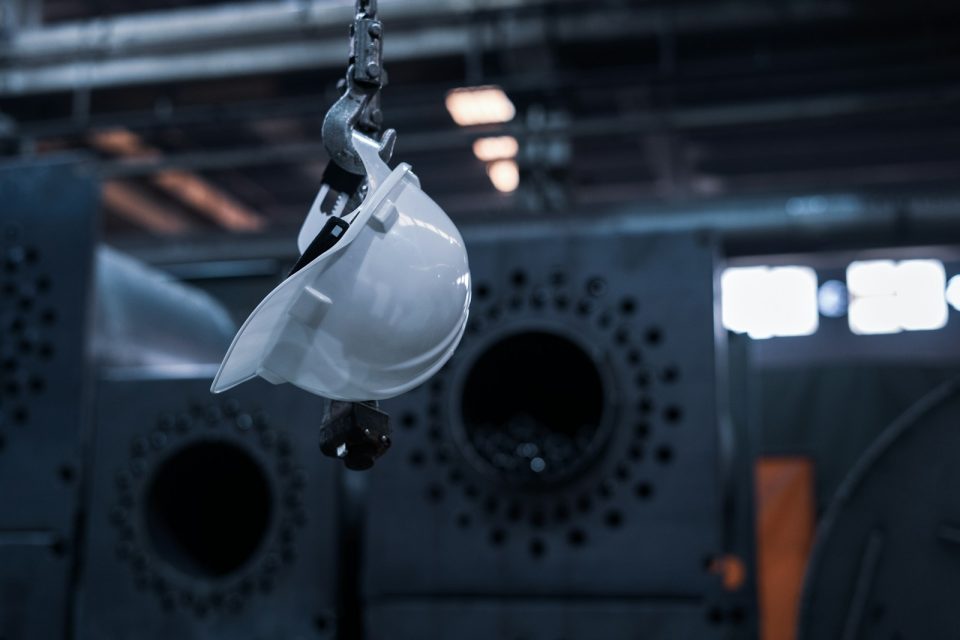
Every day, billions of people wake up, turn on lights, brew coffee, and drive to work without considering the intricate engineering systems that make modern life possible. The Hidden Engineering Marvels That Keep Our World Running Smoothly remain largely invisible to us, working tirelessly behind walls, beneath streets, and inside facilities that transform raw materials into the conveniences we take for granted. These unsung heroes of infrastructure deserve recognition for their critical role in maintaining the seamless operation of our civilized world.
The silent guardians of industrial processes
Within every manufacturing plant, power station, and refinery, countless components work in harmony to prevent catastrophic failures. Sealing systems represent one of the most critical yet overlooked aspects of industrial safety. These barriers prevent hazardous chemicals from escaping, maintain pressure differentials, and ensure that complex machinery operates within safe parameters. Without proper sealing technology, entire production lines would grind to a halt within hours. Modern sealing solutions have evolved from simple rubber rings to sophisticated multi-layered assemblies capable of withstanding extreme temperatures exceeding 800 degrees Celsius and pressures that would crush ordinary materials. The development of specialized gaskets has transformed industries that handle corrosive substances, allowing them to operate continuously for months without requiring maintenance shutdowns.
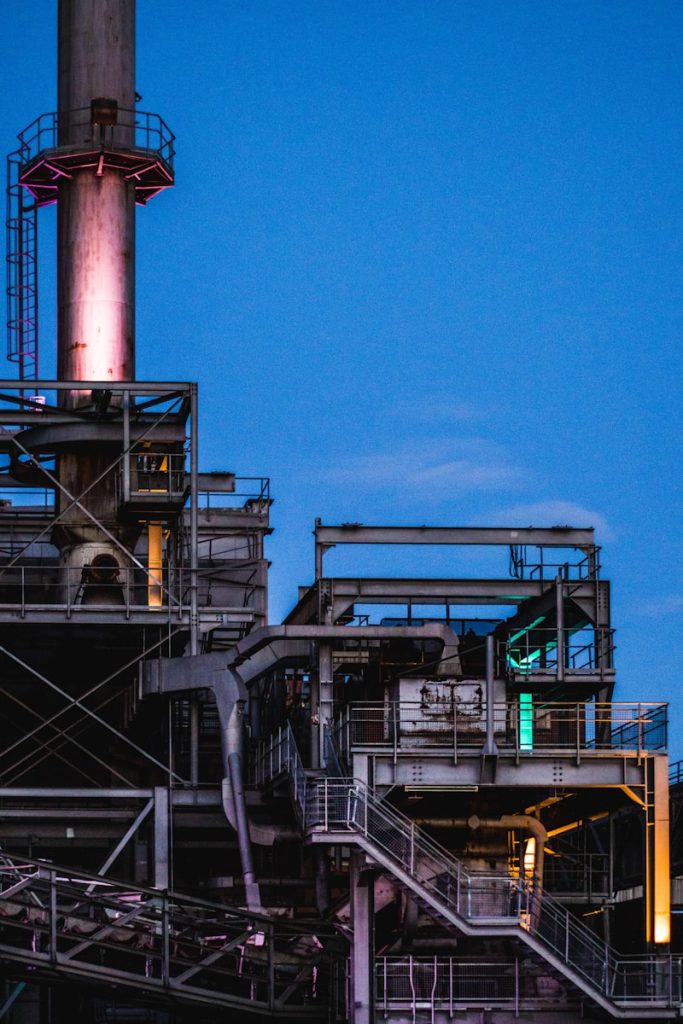
Engineering solutions in extreme environments
Consider the challenge of maintaining integrity in pipelines that transport superheated steam or highly corrosive acids. Standard sealing methods simply cannot survive such brutal conditions. This is where advanced materials like kammprofile gaskets become essential components of industrial safety systems. These ingenious devices combine a serrated metal core with soft sealing layers, creating a hybrid solution that adapts to flange irregularities while maintaining structural rigidity. Engineers discovered that this design provides superior resilience compared to traditional flat gaskets, particularly in applications where thermal cycling causes repeated expansion and contraction. Chemical processing plants rely heavily on kammprofile gaskets for their ability to maintain seal integrity even when flange surfaces become warped or damaged over time.
The chemistry that holds everything together
Behind many industrial adhesives and sealants lies sophisticated polymer chemistry that transforms simple compounds into extraordinary materials. One breakthrough in bonding technology involves specialized formulations originally developed for aerospace applications. The designation ba 203 refers to a category of high-performance bonding agents engineered to create permanent joints between dissimilar materials. These advanced adhesives form molecular bonds that actually strengthen over time through continued cross-linking reactions. Manufacturing facilities use ba 203 compounds in applications ranging from composite panel assembly to metal-to-plastic joints that must endure constant vibration. The automotive industry has particularly embraced these bonding systems, reducing vehicle weight by replacing traditional mechanical fasteners with adhesive joints that distribute stress more evenly across joined surfaces.
Water treatment systems we never see
Every time you fill a glass from your tap, that water has passed through an elaborate purification system involving dozens of precisely calibrated processes. Municipal water treatment facilities operate around the clock, processing millions of gallons daily through filtration beds, chemical treatment stages, and ultraviolet disinfection chambers. The complexity of these systems rivals that of any pharmaceutical manufacturing plant. Each gallon undergoes testing for over one hundred different contaminants, from heavy metals to microscopic pathogens. Treatment operators must constantly adjust chemical dosing rates based on seasonal variations in source water quality, requiring deep understanding of chemistry and hydraulic engineering. The pumps that move this water through distribution networks consume enormous amounts of energy, yet they operate so reliably that most people never wonder how water arrives at their homes with consistent pressure.
Protecting public health through engineering precision
The filtration membranes used in modern water treatment represent marvels of material science. These thin barriers contain pores measured in nanometers, small enough to trap individual virus particles while allowing water molecules to pass through. Reverse osmosis systems can remove dissolved salts from seawater, making desalination economically viable for coastal cities facing freshwater shortages. Engineers have developed self-cleaning membrane systems that use periodic backflushing to prevent fouling, extending operational lifespans from months to years. The monitoring systems that oversee these processes employ real-time sensors measuring turbidity, pH, chlorine residuals, and dozens of other parameters every few seconds. Any deviation from safe ranges triggers automatic adjustments or alerts human operators to potential problems before water quality deteriorates.
The invisible network beneath our feet
Urban infrastructure depends on vast underground networks of pipes, cables, and conduits that snake beneath every street and sidewalk. Natural gas distribution systems alone span over two million miles in North America, delivering fuel to homes and businesses through a branching network that starts with interstate transmission lines and ends with service connections measured in inches. These systems must maintain precise pressure ranges throughout their length, requiring sophisticated valve stations and regulator assemblies at strategic intervals. Utility companies employ specialized crews who patrol these networks using leak detection equipment sensitive enough to identify escaping gas molecules in parts per billion. The replacement of aging cast iron pipes with modern polyethylene and composite materials has dramatically reduced leak rates, improving both safety and efficiency.
Power distribution challenges nobody notices
Electrical grids face constant balancing acts between supply and demand, compensating for fluctuations that occur every time someone turns on an air conditioner or industrial motor starts up. Grid operators maintain frequency stability within hundredths of a hertz, a tolerance that requires sophisticated computer systems monitoring hundreds of variables simultaneously. Transformer stations scattered throughout cities step voltage down from transmission levels to residential standards, with each unit containing thousands of gallons of specialized cooling oil. These transformers generate substantial heat during operation, requiring careful thermal management to prevent premature failure. The insulators that keep high-voltage conductors separated from support structures must withstand not only electrical stress but also extreme weather, from desert heat to arctic cold.
Future innovations already changing infrastructure
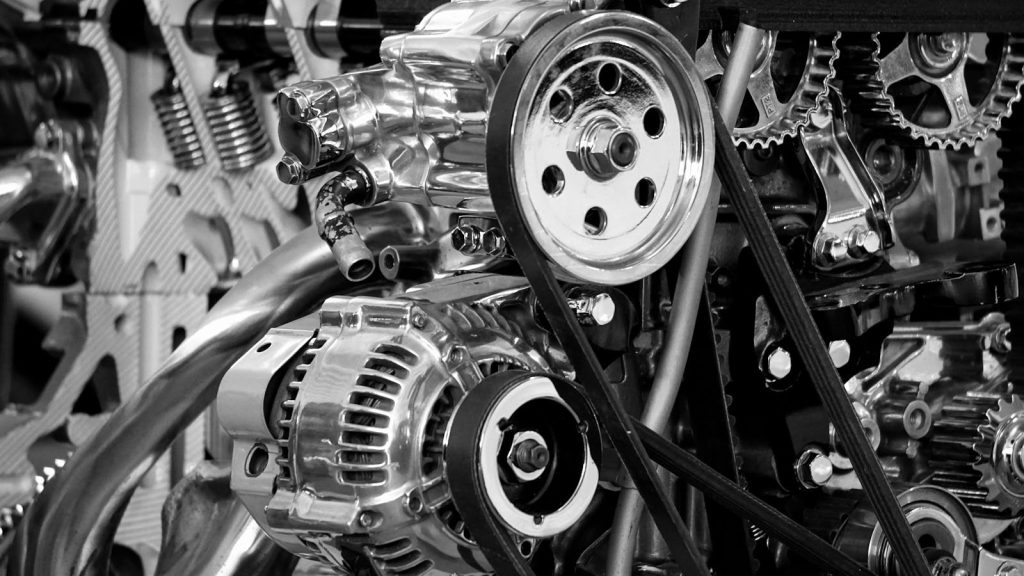
The Hidden Engineering Marvels That Keep Our World Running Smoothly continue evolving through ongoing research and development. Smart sensors embedded in bridge structures now monitor stress levels and detect microscopic cracks before they become dangerous. Self-healing concrete containing bacterial spores can seal its own cracks when water penetration activates dormant microorganisms that precipitate calcium carbonate. Pipeline inspection robots travel through active gas and oil lines, using ultrasonic sensors to map wall thickness and identify corrosion from inside. These technological advances promise to extend infrastructure lifespans while reducing maintenance costs and improving safety margins. The integration of artificial intelligence into monitoring systems enables predictive maintenance strategies that address problems before they cause failures.
The next time you enjoy clean water, reliable electricity, or safe transportation, remember the countless engineering achievements working silently in the background. These systems represent humanity’s collective knowledge applied to solving practical challenges. The Hidden Engineering Marvels That Keep Our World Running Smoothly deserve our recognition and continued investment, ensuring that future generations inherit infrastructure as reliable as what we enjoy today.
