
Maintaining pressure vessels and fluid systems in chemical plants stands as one of the most demanding yet essential responsibilities in industrial operations. These systems operate under extreme conditions, handling corrosive chemicals, high temperatures, and significant pressures that can exceed 10,000 psi in certain applications. A single failure in a pressure vessel or fluid transfer system can result in catastrophic consequences, including hazardous material releases, production shutdowns costing millions of dollars, and serious safety incidents. Chemical plant operators must therefore implement comprehensive maintenance programs that address every component, from the largest reactor vessel down to the smallest sealing element. The complexity of these systems requires specialized knowledge, rigorous inspection protocols, and an unwavering commitment to safety standards that protect both personnel and the surrounding environment.
Understanding pressure vessel inspection requirements
Pressure vessels in chemical plants require inspection according to strict regulatory frameworks established by organizations like ASME and OSHA. Most jurisdictions mandate external inspections every five years and internal inspections every ten years, though facilities handling particularly hazardous materials often follow more frequent schedules. Visual inspections check for corrosion, cracking, bulging, and material degradation that compromise vessel integrity. Ultrasonic thickness testing measures wall thinning caused by chemical attack or erosion, with replacement typically required when walls thin beyond 80 percent of their original specification. Non-destructive testing methods including radiography, magnetic particle inspection, and dye penetrant testing reveal hidden flaws that visual examination cannot detect. Documentation of every inspection creates a historical record that helps maintenance teams identify deterioration patterns and predict future failure points. Many plants now employ risk-based inspection strategies that allocate resources based on each vessel’s consequence of failure and probability of deterioration.
Sealing technologies for high-pressure applications
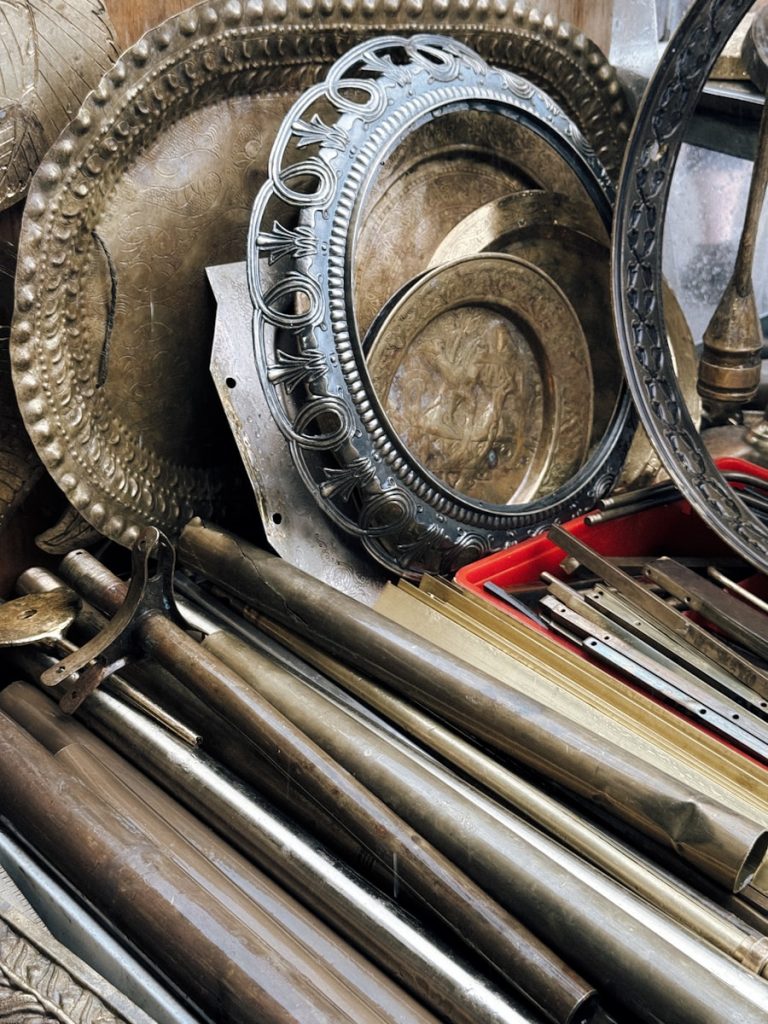
The selection of appropriate sealing materials represents a critical decision in maintaining fluid system integrity. Metal gaskets provide exceptional performance in extreme temperature and pressure applications where softer materials would fail. These gaskets, manufactured from stainless steel, Inconel, or other specialized alloys, can withstand temperatures exceeding 1000°F and maintain their sealing properties under conditions that would destroy conventional gaskets. Chemical plants processing corrosive acids, caustic solutions, or organic solvents particularly benefit from metal gaskets due to their superior chemical resistance. The primary challenge with metallic sealing solutions involves achieving proper installation, as they require precise flange alignment and specific torque values to create effective seals. Engineers must calculate bolt loads carefully to ensure sufficient gasket compression without exceeding flange design limits or damaging the sealing surfaces.
Choosing the right gasket material for chemical compatibility
Material selection for gaskets and seals requires careful consideration of the specific chemicals present in each system. Mica gasket material offers unique advantages in applications involving high temperatures combined with aggressive chemical environments. This naturally occurring silicate mineral withstands continuous temperatures up to 1800°F while providing excellent resistance to most acids and alkalis. Plants processing sulfuric acid, hydrochloric acid, or other corrosive compounds frequently specify mica gasket material for flange connections on critical piping systems. The material’s ability to conform to minor flange irregularities helps compensate for thermal expansion and contraction during temperature cycling. However, mica-based gaskets show poor resistance to hydrofluoric acid and strong alkalis, situations requiring alternative sealing solutions. Modern composite gaskets combine mica with reinforcing materials to improve handling characteristics and mechanical strength while maintaining thermal and chemical resistance properties.
Developing effective preventive maintenance schedules
Successful maintenance programs for pressure vessels and fluid systems rely on well-structured preventive maintenance schedules rather than reactive repairs. Leading chemical plants utilize computerized maintenance management systems that track equipment history, schedule routine tasks, and trigger work orders based on operating hours or calendar intervals. Pump mechanical seals typically require inspection every 12 to 18 months, while valve packing may need adjustment quarterly depending on service severity. Heat exchanger tube bundles benefit from annual cleaning to remove deposits that reduce thermal efficiency and accelerate corrosion. Relief valves protecting pressure vessels must undergo bench testing every three to five years to verify proper set pressure and flow capacity. Smart sensors now enable condition-based maintenance approaches that monitor vibration, temperature, and pressure parameters in real time. These systems alert maintenance teams to developing problems before failures occur, allowing planned interventions during scheduled shutdowns rather than costly emergency repairs.
Managing corrosion in chemical processing environments
Corrosion represents the primary degradation mechanism affecting pressure vessels and fluid systems in chemical plants. Carbon steel vessels handling acidic solutions may experience corrosion rates exceeding 50 mils per year without adequate corrosion inhibitors or protective linings. Stress corrosion cracking poses particular danger because it can cause sudden failures in vessels that appear superficially sound during visual inspection. Chloride-induced stress corrosion cracking affects austenitic stainless steels in environments containing even trace amounts of chloride ions at elevated temperatures. Maintenance programs must include corrosion monitoring through techniques like corrosion coupons, electrical resistance probes, and ultrasonic thickness measurements at predetermined locations. Many facilities implement cathodic protection systems for underground piping and storage tanks, with annual surveys verifying adequate protection levels. Internal coating systems provide barriers between vessel walls and corrosive process fluids, though these coatings require periodic inspection and repair to maintain effectiveness.
Training and qualification of maintenance personnel
The complexity of maintaining pressure vessels and fluid systems in chemical plants demands highly trained maintenance personnel with specialized certifications. Welders performing repairs on pressure vessels must hold ASME Section IX qualifications specific to the materials and processes they use. Non-destructive testing technicians require certification through programs like ASNT Level II or III for the particular testing methods they perform. Many plants require maintenance supervisors to complete pressure vessel inspector training through organizations like the National Board of Boiler and Pressure Vessel Inspectors. Ongoing training programs keep maintenance teams current with evolving technologies, new materials, and updated safety regulations. Hands-on training with actual equipment proves more effective than classroom instruction alone, helping technicians develop the practical skills necessary for complex repairs. Documentation of training and qualifications ensures regulatory compliance and provides evidence of personnel competence during audits and inspections.
Emergency response and shutdown procedures
Despite rigorous maintenance efforts, chemical plants must prepare for potential equipment failures through comprehensive emergency response plans. These plans define specific actions for various failure scenarios, from minor seal leaks to catastrophic vessel ruptures. Maintenance teams practice emergency shutdown procedures during scheduled drills, ensuring they can execute critical valve closures and system isolations within required time limits. Quick-closing valves and automatic shutdown systems provide additional protection layers that activate when sensors detect abnormal conditions. Plants maintain inventories of critical spare parts including replacement gaskets, valve internals, and pump components to minimize downtime following equipment failures. Emergency repair procedures must balance the urgency of restoring operations against the need to maintain safety standards and regulatory compliance. Post-incident investigations analyze root causes and implement corrective actions that prevent recurrence, creating a continuous improvement cycle that enhances system reliability over time.
