
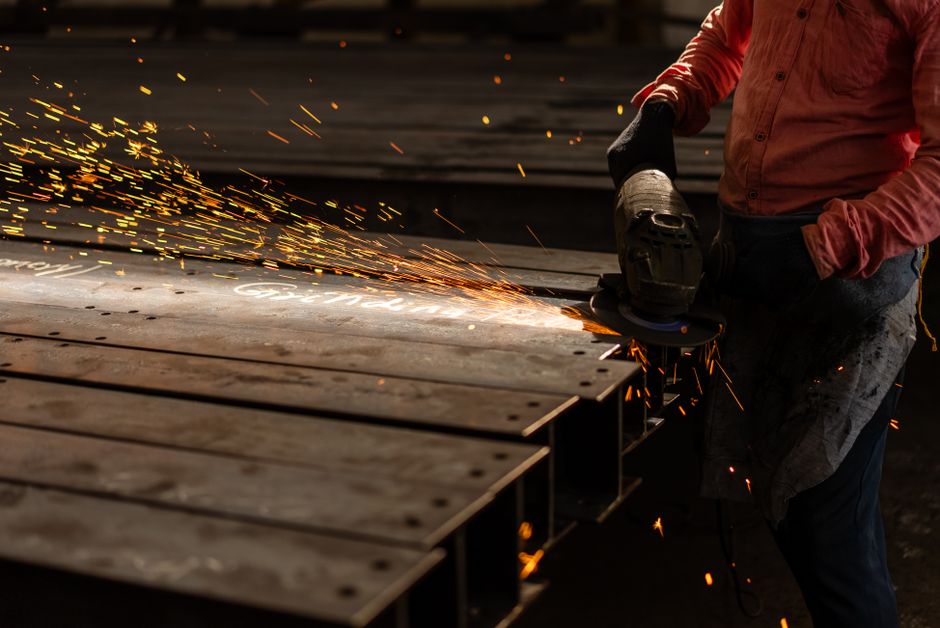
Modern manufacturing facilities face mounting pressure to increase output while maintaining strict quality standards and reducing operational costs. Streamlining production with advanced cutting technology has become essential for companies seeking competitive advantages in today’s demanding industrial landscape. The evolution from traditional mechanical cutting methods to sophisticated automated systems represents one of the most significant shifts in manufacturing efficiency over the past two decades. Advanced cutting technologies now enable manufacturers to achieve tolerances measured in microns, complete complex geometries in minutes rather than hours, and reduce material waste by up to forty percent compared to conventional approaches. These improvements directly impact profitability while simultaneously enhancing product quality and consistency across production runs.
The integration of computer-controlled cutting systems has transformed how manufacturers approach component fabrication. Automated systems can operate continuously with minimal supervision, executing thousands of precise cuts with identical specifications throughout extended production cycles. This consistency proves particularly valuable when producing critical components where dimensional accuracy directly affects performance and safety. Modern cutting equipment incorporates real-time monitoring systems that detect tool wear, material inconsistencies, and potential defects before they compromise finished products. The data collected during cutting operations provides valuable insights into production efficiency, allowing managers to identify bottlenecks and optimize workflows systematically. Manufacturing facilities that have adopted these technologies report productivity increases ranging from thirty to seventy percent, depending on application complexity and previous methodology.
Laser cutting transforms component manufacturing
Laser technology represents perhaps the most versatile advancement in precision cutting applications. The focused energy beam can cut through various materials with exceptional accuracy, creating intricate patterns and tight tolerances impossible to achieve through mechanical methods. Industries ranging from automotive to aerospace now rely on laser systems for producing components that demand exacting specifications. The technology excels at cutting thin to medium-thickness materials, delivering clean edges that often require no secondary finishing operations. Laser cut gaskets exemplify this precision, as the non-contact cutting process prevents material distortion and compression that mechanical punching would introduce. The ability to program complex geometries means manufacturers can produce custom gasket configurations without investing in expensive dedicated tooling for each unique specification.
The economic benefits of laser cutting extend beyond the cutting process itself. Traditional die-cutting methods require substantial upfront investment in hardened steel dies, which can cost thousands of dollars and take weeks to manufacture. Laser systems eliminate this tooling expense entirely, allowing manufacturers to switch between different product designs by simply loading new digital files. This flexibility proves invaluable when producing small batches or prototype components, dramatically reducing lead times from concept to finished product. Energy efficiency has improved significantly in recent laser systems, with modern fiber lasers consuming approximately fifty percent less electricity than older CO2 laser technologies. Maintenance requirements have decreased as well, with many current systems operating for thousands of hours between service intervals. When producing laser cut gaskets for specialized applications, manufacturers can achieve first-article accuracy within minutes of receiving customer specifications rather than waiting for traditional tooling fabrication.
Material considerations in precision cutting
Different materials present unique challenges that influence cutting technology selection and process parameters. Metals, composites, elastomers, and engineered plastics each respond differently to various cutting methods, requiring manufacturers to match technology capabilities with material properties. Understanding these interactions ensures optimal results while preventing costly mistakes during production. The thickness, hardness, thermal conductivity, and chemical composition of materials all affect cutting speed, edge quality, and achievable tolerances. Manufacturers must consider these factors when establishing production parameters to maximize efficiency without compromising quality standards.
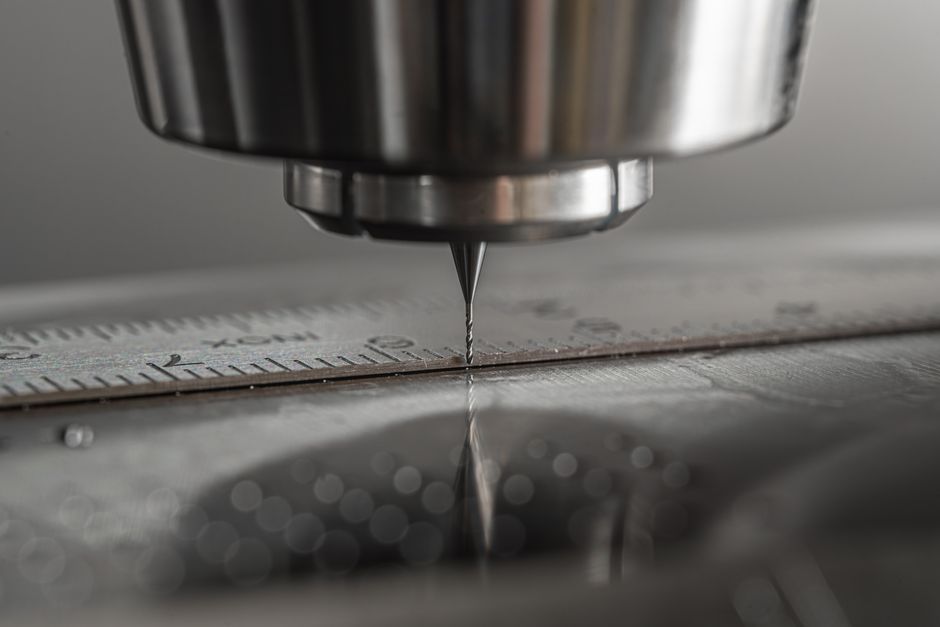
Metal gaskets demand particularly careful attention to cutting methodology due to their role in high-pressure and high-temperature sealing applications. The cutting process must not introduce microcracks, work-hardened edges, or thermal distortion that could compromise sealing performance under demanding service conditions. Waterjet cutting offers distinct advantages for certain metallic materials, using ultra-high-pressure water mixed with abrasive particles to cut through thick sections without generating heat. This cold-cutting process preserves material properties throughout the entire workpiece, preventing the heat-affected zones that can occur with thermal cutting methods. Stainless steel, titanium, and nickel alloys frequently used in critical sealing applications maintain their metallurgical characteristics when cut using waterjet technology. The absence of thermal stress also eliminates warping concerns, ensuring dimensional stability in finished components regardless of size or complexity.
Specialized sealing solutions require advanced techniques
Complex industrial sealing applications often require hybrid components that combine multiple materials or feature intricate geometries. Kammprofile gaskets, which incorporate a serrated metal core with soft sealing layers, demonstrate the precision needed in modern gasket manufacturing. The metal core requires accurate cutting to maintain the structural integrity essential for proper compression and recovery characteristics. Advanced cutting technologies enable manufacturers to produce these sophisticated components with consistent quality across large production volumes. The serrated profile must maintain specific dimensions to achieve optimal sealing performance, making cutting precision critical to component functionality.
Automated cutting systems can process composite gasket designs by coordinating multiple cutting technologies within a single production line. A metal core might undergo laser or waterjet cutting, followed by automated positioning for soft layer attachment, all within an integrated manufacturing cell. This seamless integration reduces handling time, minimizes contamination risks, and ensures precise alignment between different material layers. Quality control systems integrated into advanced cutting equipment can measure critical dimensions in real-time, automatically rejecting any components that fall outside specified tolerances. When manufacturing kammprofile gaskets for critical applications such as petrochemical processing or power generation, this automated verification provides essential traceability and quality assurance documentation required by industry regulations.
Implementation strategies for production optimization
Successfully integrating advanced cutting technology requires careful planning and realistic assessment of current production capabilities. Manufacturers should begin by analyzing existing workflows to identify specific bottlenecks and inefficiencies that new technology could address. What operations currently consume the most labor hours? Which processes generate the highest scrap rates? Answering these questions helps prioritize technology investments that deliver measurable returns. Conducting time studies and collecting detailed production data provides the baseline measurements necessary to evaluate improvement after implementation. Many equipment suppliers offer production analysis services that help manufacturers identify optimal technology solutions for their specific applications and volume requirements.
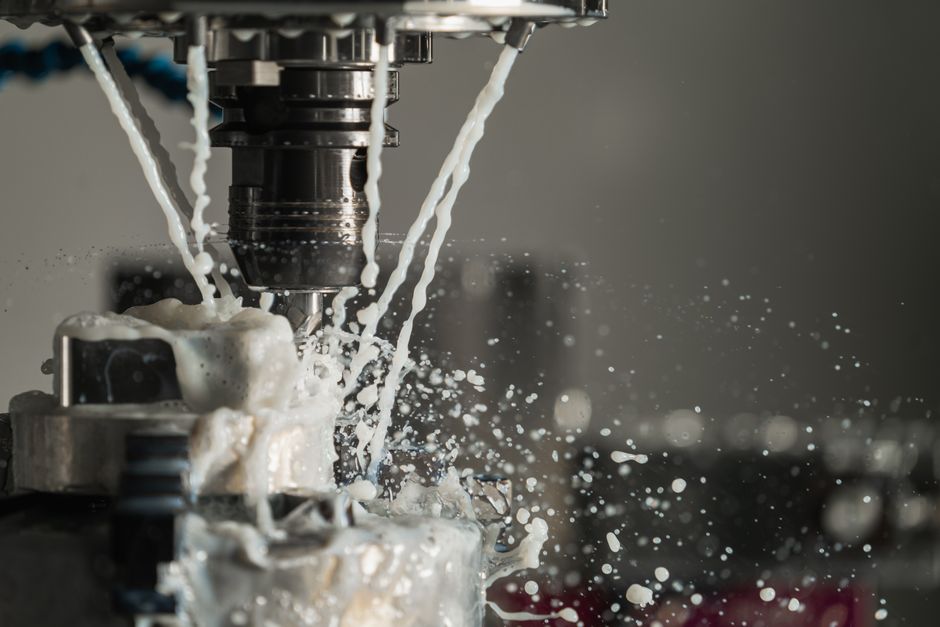
Workforce training represents a critical success factor that organizations sometimes underestimate during technology adoption. Operators accustomed to traditional cutting methods need comprehensive instruction on programming, operation, and maintenance of automated systems. The transition period typically spans several weeks as staff members develop proficiency with new equipment and software interfaces. Manufacturers should plan for temporary productivity decreases during initial implementation phases while allowing adequate time for learning and process refinement. Establishing clear performance metrics and tracking progress against baseline measurements helps maintain focus on improvement objectives throughout the transition period. Companies that invest in thorough training programs typically achieve full productivity potential within three to six months of equipment installation, while those that rush implementation may struggle with suboptimal performance for extended periods.
Future developments in cutting technology
Emerging technologies promise even greater capabilities for manufacturers seeking to streamline production with advanced cutting technology. Artificial intelligence algorithms are beginning to optimize cutting parameters automatically, analyzing material characteristics and adjusting power, speed, and focal position in real-time for optimal results. These intelligent systems learn from each cutting operation, continuously refining their performance and adapting to variations in material properties or environmental conditions. Predictive maintenance capabilities now monitor equipment performance patterns, alerting operators to potential failures before they occur and scheduling maintenance during planned downtime rather than experiencing unexpected production interruptions. The combination of machine learning and sensor technology is creating cutting systems that operate with unprecedented autonomy and reliability.
The convergence of additive and subtractive manufacturing technologies opens new possibilities for hybrid production strategies. Manufacturers can now combine three-dimensional printing with precision cutting to create complex geometries impossible to achieve through either technology alone. This hybrid approach proves particularly valuable for producing custom components in small quantities, eliminating the economic constraints that previously made customization prohibitively expensive. As these technologies mature and become more accessible, even smaller manufacturing operations will gain capabilities previously available only to large industrial facilities with substantial capital resources. The ongoing reduction in equipment costs and increasing user-friendliness of control systems continues democratizing access to advanced cutting technologies across the manufacturing sector.
