
Choosing the right materials for your manufacturing operations represents one of the most critical decisions that will impact your product quality, production efficiency, and bottom line. This fundamental choice influences everything from tooling requirements and processing speeds to final product performance and customer satisfaction. Material selection is not simply about finding the cheapest option or the strongest substance available. It requires a comprehensive understanding of your specific application requirements, production capabilities, and market demands. The complexity of modern manufacturing means that even small material choices can cascade into significant operational consequences. Engineers and procurement specialists must balance multiple factors including mechanical properties, thermal characteristics, chemical resistance, availability, and cost considerations. When you begin the process of choosing the right materials for your manufacturing operations, you enter a decision-making framework that demands both technical knowledge and practical experience.
Evaluating mechanical and physical properties
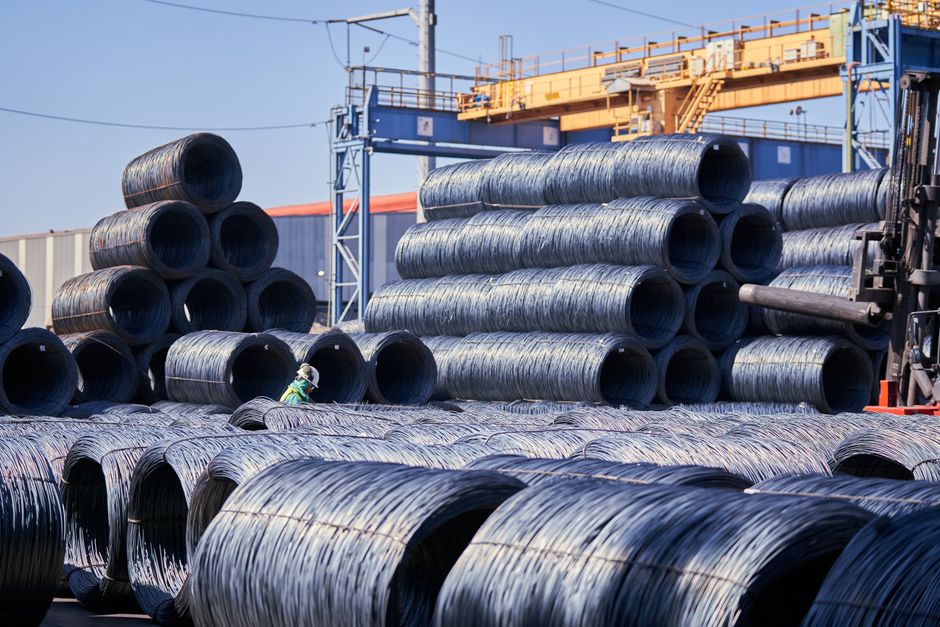
The mechanical properties of materials form the foundation of any selection process. Tensile strength determines how much pulling force a material can withstand before breaking, while yield strength indicates the stress level at which permanent deformation begins. Hardness affects wear resistance and machining characteristics, directly impacting tool life and production costs. You must also consider elasticity, which governs how materials respond to stress and return to their original shape. Temperature requirements play an equally important role in material selection. Some applications demand materials that maintain their properties at extreme temperatures, whether in automotive exhaust systems operating above 800 degrees Celsius or cryogenic equipment functioning at minus 196 degrees. Thermal expansion coefficients become critical when components must fit together precisely across varying temperature ranges. Material density affects weight considerations, particularly crucial in aerospace and automotive applications where every gram counts. The ba r stock you select for machining operations must meet all these specifications while remaining economically viable for your production volumes.
Cost analysis beyond the price tag
Purchase price represents only one component of true material cost in manufacturing. Total cost of ownership includes processing expenses, waste generation, tool wear, energy consumption, and quality control requirements. A material that costs twice as much per kilogram might actually reduce overall production costs if it machines three times faster or produces half the scrap. Lead times and supply chain reliability add another dimension to cost analysis. Materials sourced from single suppliers or distant locations introduce risk that can halt production lines and damage customer relationships. You should calculate inventory carrying costs, which include storage space, insurance, and capital tied up in raw materials. Some materials require special storage conditions like climate control or protective atmospheres, adding hidden expenses. Waste disposal costs vary dramatically depending on material type, with some requiring expensive hazardous waste handling while others can be recycled profitably. Volume discounts and long-term supplier agreements can significantly reduce per-unit costs, but only if your demand forecasts prove accurate and storage capacity exists.
Processing compatibility and manufacturing methods
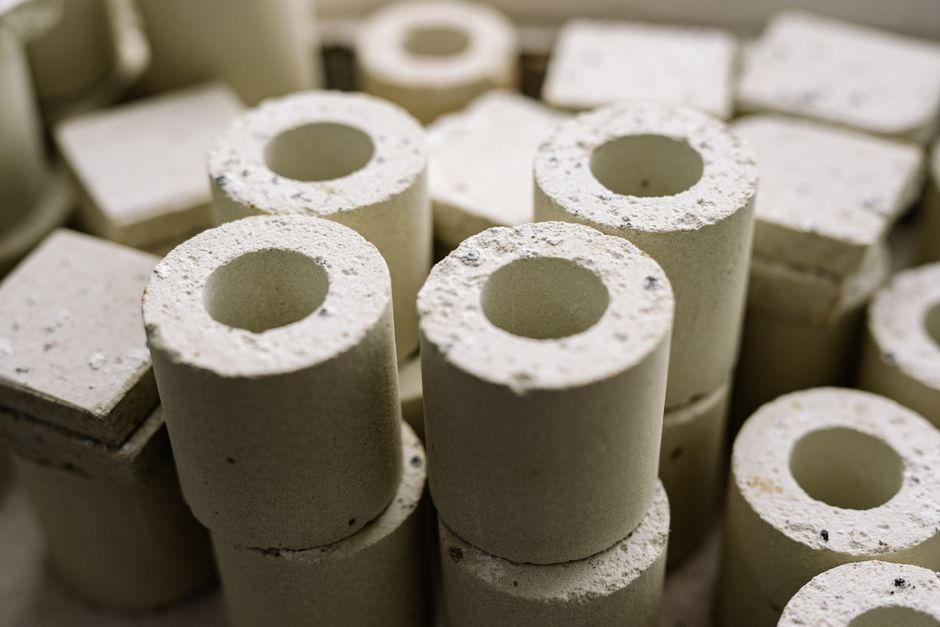
Material characteristics must align perfectly with your existing production equipment and processes. Machinability ratings indicate how easily materials can be cut, drilled, or shaped using conventional machine tools. Materials with poor machinability increase cycle times, accelerate tool wear, and may require specialized cutting fluids or techniques. Weldability becomes paramount if your manufacturing process involves joining components through fusion or resistance welding. Some materials demand preheating, post-weld heat treatment, or inert gas shielding to achieve acceptable weld quality. Formability determines how well sheet materials can be bent, stamped, or deep drawn without cracking or excessive springback. The ba r material you choose for turned components must feed smoothly through automatic lathes without causing tool chatter or dimensional inconsistencies. Casting operations require materials with appropriate fluidity, solidification characteristics, and shrinkage properties. Surface finish requirements often dictate material selection, as some materials naturally achieve smoother finishes while others require extensive secondary operations like grinding or polishing.
Precision components and specialized applications
Certain manufacturing applications demand materials that meet exceptionally tight tolerances and specifications. Sealing applications present unique challenges where material selection directly impacts product reliability and safety. Traditional gasket materials included compressed fiber sheets and rubber compounds, but modern applications increasingly require precision-engineered solutions. A laser cut gasket offers superior dimensional accuracy compared to mechanically punched alternatives, with tolerances achievable within 0.05 millimeters for complex geometries. This precision becomes essential in high-pressure hydraulic systems, chemical processing equipment, and aerospace assemblies where seal failure could prove catastrophic. The laser cut gasket manufacturing process eliminates tool wear variables that affect stamped gaskets, ensuring consistent quality across production runs of thousands of identical parts. Material options for laser cutting include graphite composites, fluoropolymers, stainless steel, and specialized elastomers, each selected based on temperature range, chemical exposure, and pressure requirements. The non-contact nature of laser cutting prevents material deformation and edge damage that can compromise sealing performance in critical applications.
Quality standards and certification requirements
Industry-specific standards and regulations often dictate material choices regardless of other considerations. Aerospace manufacturers must use materials certified to specifications like AMS (Aerospace Material Specifications) with full traceability documentation. Medical device production requires biocompatible materials that meet ISO 10993 standards and FDA regulations for patient contact applications. Food processing equipment demands materials approved for food contact, typically requiring NSF certification or compliance with FDA 21 CFR regulations. Automotive suppliers face stringent requirements for materials used in safety-critical components, with specifications covering everything from impact resistance to long-term aging characteristics. You must maintain comprehensive material certifications including mill test reports, chemical composition analysis, and mechanical property verification. Third-party testing and certification add costs but provide essential quality assurance and liability protection. Traceability systems must track materials from receiving through final product shipment, enabling rapid response to any quality issues or recall situations. Non-conforming material procedures protect your operation from inadvertent use of substandard or incorrect materials.
Sustainability and environmental considerations
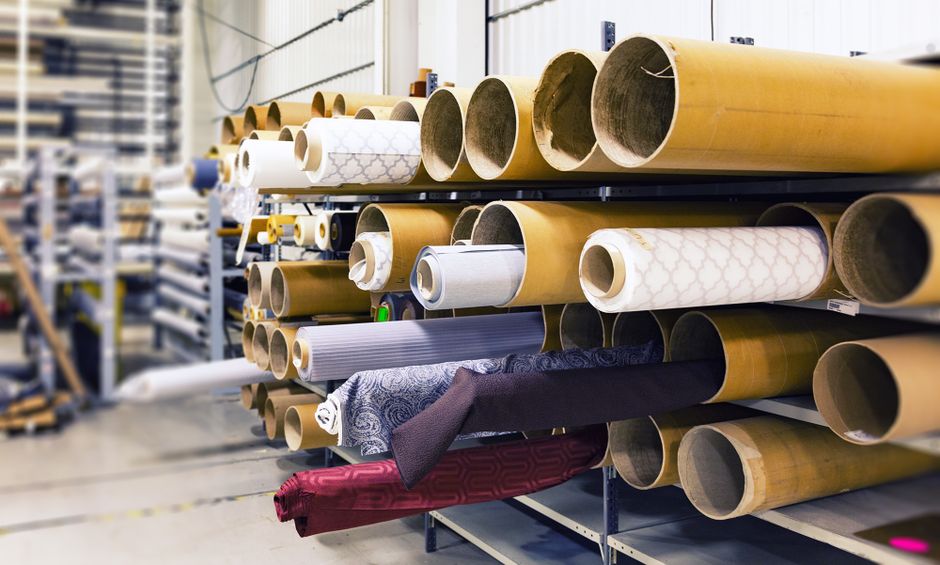
Environmental impact increasingly influences material selection as manufacturers respond to regulatory pressures and customer demands for sustainable products. Recyclability affects both material disposal costs and corporate sustainability metrics. Aluminum and steel offer excellent recyclability with minimal property degradation through multiple recycling cycles. Plastics present more complex recycling challenges, with contamination and polymer degradation limiting reuse options. Embodied energy represents the total energy consumed in material extraction, processing, and transportation. Primary aluminum production requires approximately fifteen times more energy than recycled aluminum, creating strong economic and environmental incentives for recycled content. Carbon footprint calculations now factor into material selection for companies committed to emissions reduction targets. Bio-based materials derived from renewable resources offer alternatives to petroleum-based polymers, though performance characteristics may differ from conventional materials. Local sourcing reduces transportation emissions while supporting regional economies and improving supply chain resilience. Life cycle assessment provides comprehensive environmental impact analysis from raw material extraction through end-of-life disposal or recycling.
Implementing effective material selection processes
Successful material selection requires structured methodology combining technical analysis with practical manufacturing knowledge. Cross-functional teams should include design engineers, manufacturing engineers, quality specialists, and procurement professionals to ensure all perspectives receive consideration. Material databases and selection software tools help narrow options based on specific property requirements and application constraints. Prototype testing validates material performance under actual operating conditions before committing to full production. Supplier partnerships provide valuable technical support and material expertise throughout the development process. Documentation systems must capture selection rationale, testing results, and approval decisions for future reference and continuous improvement. Regular material reviews identify opportunities to optimize costs, improve performance, or adopt new materials as technology advances. When you systematically approach choosing the right materials for your manufacturing operations, you create competitive advantages through superior product performance, reduced costs, and improved customer satisfaction.
